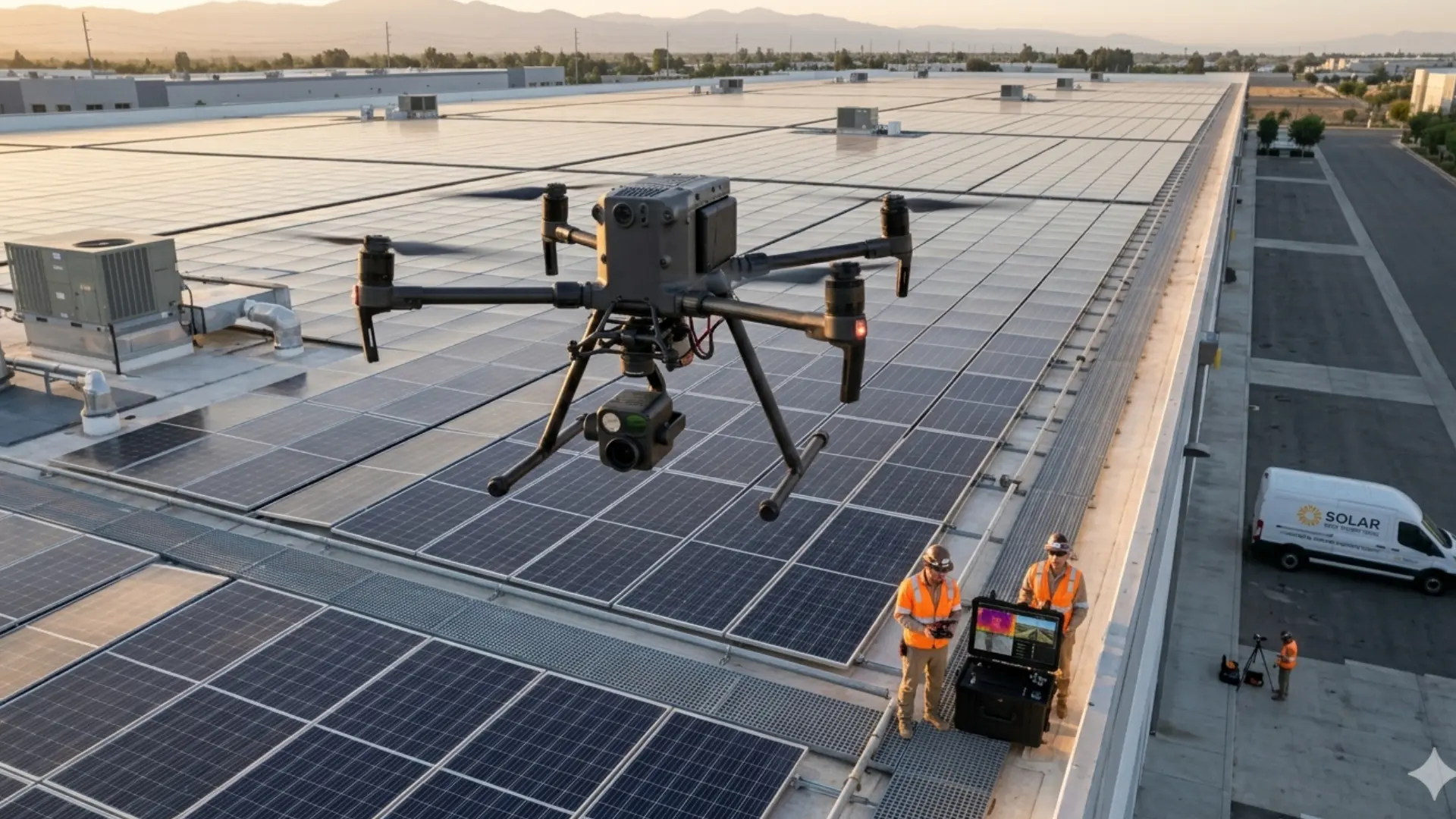
Solar energy use is growing very fast across the country today. Clean energy helps homes and businesses save money on monthly power bills. However, solar panels can break, get dirty or fail over time. Dust, cracks and bad wiring rapidly reduce their daily power generation capacity. Regular maintenance is extremely necessary to maintain the system in the best condition.
A modern solar panel drone check offers a fast way to find hidden issues. This method replaces slow manual checks with quick aerial sweeps of your roof. You get clear, highly accurate data on your system health in minutes. Drone sweeps help owners protect their green investments without any unnecessary hassle.
Why Traditional Inspections Fall Short
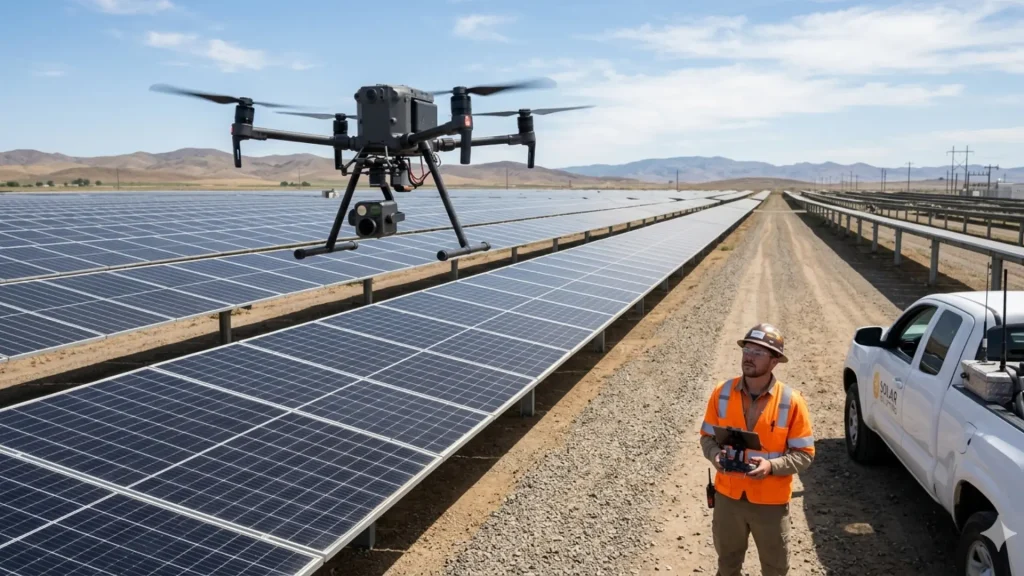
In the past, workers had to climb high roofs or walk large fields. They used slow hand-held tools to test every single solar panel. This process takes days or even weeks for large commercial systems. It is slow, very costly, and can be dangerous for crew members. Working at high heights always brings major safety risks to your team.
Workers can also easily miss small cracks or bad wire connections. Human eyes cannot see internal cell damage under the thick glass cover. A professional drone solar panel inspection solves these safety and accuracy issues easily. Drones fly over the panels and capture high-resolution photos very quickly. You save precious time and keep your maintenance team safe on the ground.
The Power of Aerial Views
Getting a clear view from above changes how we manage solar systems. An aerial solar inspection covers acres of land in a single short flight. The drone camera captures the entire layout with the best possible angle. This visual shows dirty areas, shadow problems and physical damage almost immediately.
You can immediately see which panels are in urgent need of cleaning or repair. This information helps you plan maintenance work without wasting valuable resources. Your ground team only goes to the exact spots that need help.
Using drones also prevents walking on panels by accident during routine tests. Walking on panels creates tiny cracks that ruin cells over time. Aerial flights keep heavy feet off your highly expensive solar equipment.
Finding Hidden Defects with Thermal Cameras
Not all solar panel problems are visible to the human eye. Internal cell malfunctions and wiring problems are hidden under the surface of the glass. These defects produce excess heat, which damages the panel and reduces power consumption. A thermal drone solar inspection detects these temperature differences instantly across your array.
Thermal cameras show hot spots as bright areas on a digital screen. A hot spot indicates a broken cell or a short circuit. Changing these parts in time can avoid completely malfunction of the panel or dangerous electric fire. This state-of-the-art equipment safely runs your solar system and ensures maximum power output.
Common Defects Found During Drone Checks
Inspections made by drone have detected many types of problems limiting energy production. These issues range from simple physical blockages to deep electrical system failures. Finding these problems early keeps your repair bills low over the years.
The following most common shortcomings can be found in the drone investigation:
- Hot Spots: These are localized areas of extreme heat in which broken cells appear.
- Snail Trails: These deep lines appear when moisture seeping in the cell.
- Physical Cracks: Strong gusts, hail, or flying debris can break the exterior glass.
- Wiring Issues: Loose wires disrupt the smooth flow of electricity in your electrical grid.
- Soiling and Dirt: Thick layers of dust prevent sunlight and reduce daily energy output.
- Panel Discoloration: This sign indicates that the material of the solar cell is aging very fast.
- Sub-string Failures: This problem arises when a whole part of the panel stops working.
The Main Benefits of UAV Technology
Using unmanned aircraft offers clear advantages for modern solar system owners. A uav solar inspection is much faster than any ground-based manual method. You get highly accurate maps of your entire solar setup very quickly. These detailed maps help you track system health over several years.
You can easily compare past flights with new data to spot trends. This smart method also lowers overall operational costs for large solar farms. Fewer manual work hours mean lower maintenance bills for system owners. You maximize your return on investment with very little physical effort.
How Does a Drone Flight Work?
Planning a professional drone check requires a few very simple steps. First, check the local weather forecast for a clear, sunny day. High winds, heavy rain, or thick clouds will ground the drone flight. Bright, direct sunlight is best for capturing clear thermal images of panels.
Next, ensure the solar panels are free from temporary physical blockages. The drone pilot will set up a safe flight path over your property. The flight itself usually takes less than an hour for home systems. Commercial solar farms may require a full day of flying to finish.
Drones fly in a strict grid pattern to capture every single panel. The camera takes hundreds of overlapping photos during the flight process. These high-resolution photos match GPS coordinates for perfect accuracy on the map.
Reading Your Drone Inspection Report
After the flight, special software processes the photos into a clean report. Your final report contains valuable, easy-to-read details about your solar panels. It highlights every defect with its exact GPS location on your map.
You will see regular visual photos paired with thermal heat maps. The report rates the severity of each single issue it finds. Some issues need quick fixes, while other minor issues can wait. Use this detailed report to hire a technician for targeted repairs.
Targeted repair action saves you a lot of money on diagnostic labor costs. You do not pay a technician to hunt for the problem. They go straight to the broken panel and fix it immediately.
How Often Should You Scan Your Panels?
Most solar experts suggest scanning your panels at least once a year. Annual checks find slow degradation before it stops your power flow entirely. You should also schedule a quick flight after major local weather events.
Heavy storms, large hail, and high winds can crack solar cells easily. Flying a drone after a storm helps greatly with insurance claims. Clear aerial photos prove the exact date and style of storm damage.
For large utility systems, twice-yearly checks are best for maximum safety. Regular scans ensure you do not lose massive amounts of daily power. Keeping panels running at peak output keeps your green business highly profitable.
Choosing the Right Drone Service Provider
Not all drone pilots have the skills to check solar arrays. You should always hire a team with specific solar industry experience. In the US, the pilot must hold an active FAA Part 107 commercial remote pilot license.
Ask about the specific cameras they use on their remote aircraft. They must use high-resolution thermal sensors, such as FLIR radiometric cameras. Cheap cameras will fail to capture important hotspots and result in poor results.
Make sure the inspection team follows strict international guidelines such as IEC 62446-3 standards. These guidelines define the professional quality of thermal solar scan. Look for a team that delivers clean, simple PDF reports to clients.
Making the Switch to Drone Checks
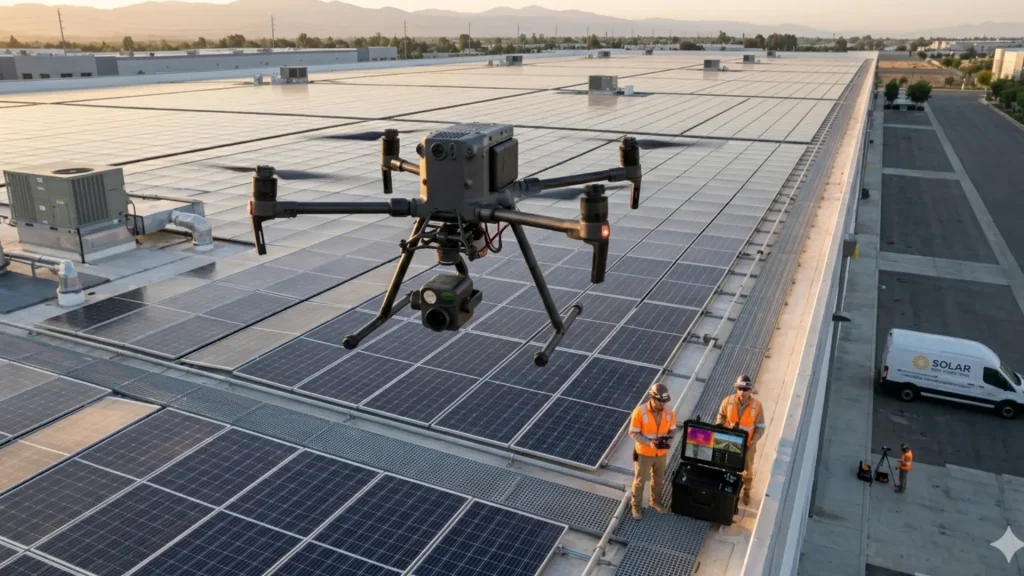
Traditional inspection methods simply cannot compete with drone speed and ultimate accuracy. Drones provide a smart and modern way of protecting your clean energy investment. Regular drone flights help your solar panels to keep working at the highest capacity always.
These prevent minor issues from turning into costly systemic failures. Get in touch with a certified drone pilot to get your solar panel tested today. Keeps your solar energy flowing with clear, actionable drone data.
Frequently Asked Questions
Q: How much does a drone solar inspection cost?
A: The cost of basic inspection of solar panels by drones is usually between one hundred and five hundred dollars.
Q: Can a drone detect microcracks in solar cells?
A: Yes, microscopic cracks can be easily detected by aerial solar inspection using thermal sensors.
Q: What is the best weather for a solar panel drone check?
A: Clear, sunny weather with very low wind is best for a drone check.
Q: How long does a UAV solar inspection take?
A: A standard UAV solar inspection for a home roof takes about 30 minutes.
Q: What specific equipment does a thermal drone solar inspection require?
A: You need to use a drone that is equipped with a special FLIR thermal sensor.
Q: Do I need to shut down my solar system during the drone flight?
A: No, it is necessary to remain active of your solar panels to correctly display heat problems.